
Loading...
Serving Springfield, MA and surrounding areas. (413) 334-1135
Serving Springfield, MA and surrounding areas. (413) 334-1135
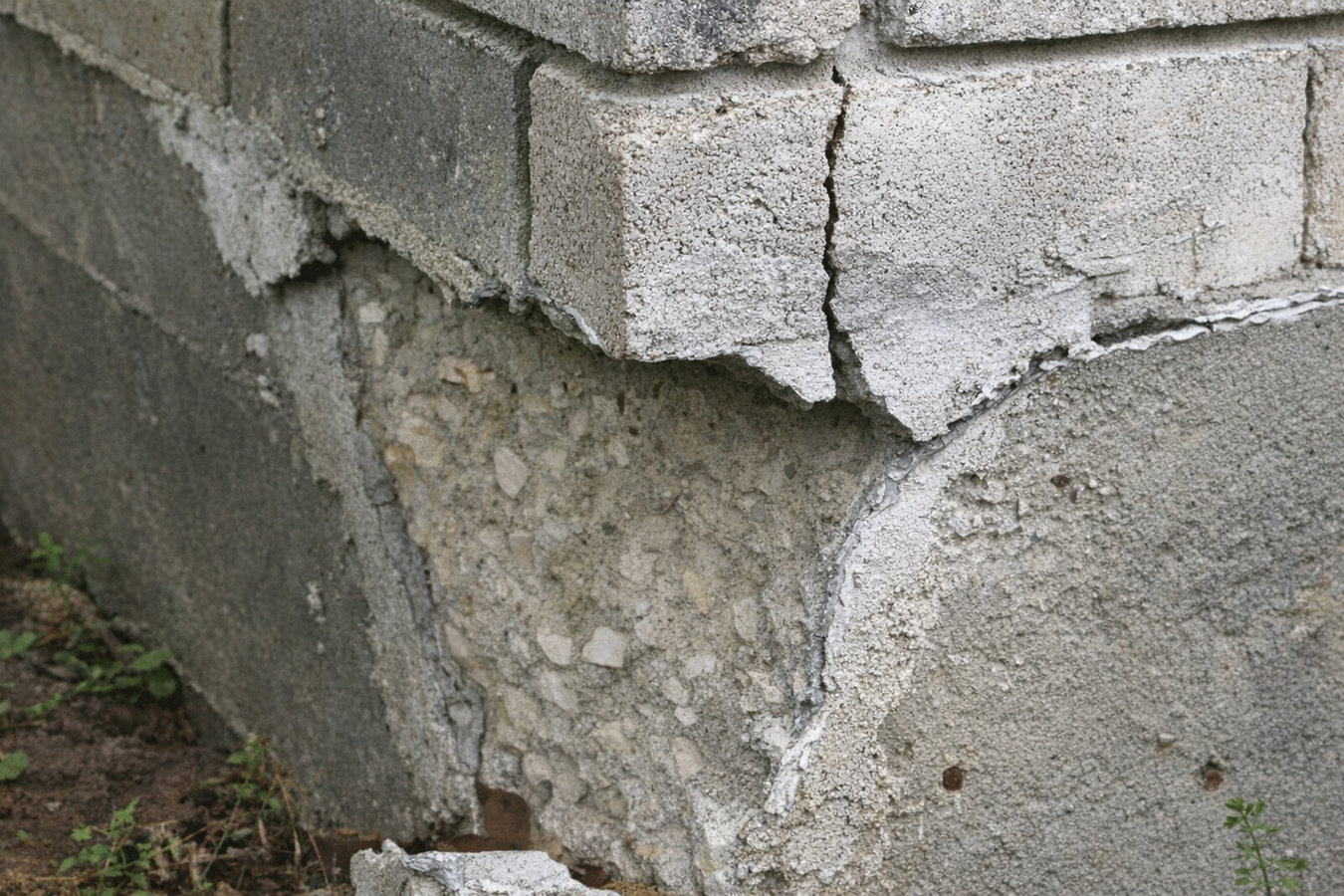
A sunken slab does not always mean a full replacement. Get an honest on-site assessment and a written estimate before committing to anything.
Foundation raising in Springfield lifts a sunken or uneven concrete slab back to its original level position by pumping material beneath it to fill voids and restore support; most residential jobs take a single day, with the lifted surface walkable within a few hours of completion.
Springfield homeowners deal with foundation movement more than homeowners in warmer states because of how hard the ground cycles through freezing and thawing from November through March. Every freeze pushes soil upward and sideways; every thaw pulls it back and leaves gaps. Over years, those gaps grow, and concrete slabs that were poured on that soil drop into them. Foundation raising fills those gaps and brings the slab level again without the cost and disruption of tearing everything out.
Foundation raising works best when the slab itself is still sound. If the concrete is crumbling or broken into pieces, a full foundation installation is usually the right call, and we will tell you that honestly during the estimate visit rather than attempting a lift that will not hold.
If interior doors or windows suddenly become hard to open or close in late winter or early spring, your foundation may have shifted during the freeze-thaw season. The frame of your home moves with the foundation, and even a small shift can throw a door or window out of square. This warning sign tends to get worse each year if the underlying movement is not addressed.
Walk the perimeter of your home and look where concrete meets the foundation wall or siding. A gap, even a small one, means the slab has dropped from its original position. In Springfield's climate, that gap collects water every time it rains or snows, and that water freezes in winter and widens the gap further.
Stand in the middle of a room and notice whether the floor feels level. If a round object rolls consistently in one direction, the floor is sloping, which can indicate the foundation beneath that section has settled. In Springfield's older homes, this kind of gradual settling is common and often goes unnoticed for years until the slope becomes obvious.
If water collects against your foundation after a rainstorm rather than draining away, the soil around your home may already be eroding. Over time, that water softens the ground beneath the slab and creates the voids that cause sinking. This is especially common in Springfield neighborhoods with older grading or inadequate gutters.
The two main lifting methods we use are mudjacking and polyurethane foam injection. Mudjacking pumps a cement-and-soil slurry beneath the slab, while foam injection uses an expanding foam that is lighter and cures faster. Both lift the slab from below; the difference is in weight, cure time, and cost. We explain the trade-offs during the estimate so you can make the right choice for your situation.
For some Springfield properties, especially those on the softer alluvial soils near the Connecticut River, targeted void filling is appropriate even before the slab has visibly settled. Filling emerging voids now is far less expensive than a reactive lift later. We also assess drainage as part of every job because addressing the cause, whether that is grading, gutters, or underground drainage, is the difference between a one-time repair and a recurring problem.
Foundation raising is frequently paired with related structural work. Homeowners dealing with settled areas near existing concrete footings or those planning a new addition often schedule both services together under a single permit to reduce total project cost and timeline.
The traditional method, best suited for large slabs where cost efficiency matters and cure time is not urgent.
A lighter, faster-curing option well suited for smaller residential areas where vehicle traffic needs to resume quickly.
Targeted filling of voids and air pockets beneath the slab without full raising, appropriate when the slab is still level but at risk of sinking.
Addressing the grading, gutters, or underground drainage issue that caused the sinking, to prevent the problem from recurring after the lift.
Springfield sits in a climate zone where the ground freezes hard every winter, with frost depths reaching 48 inches, and then thaws and shifts multiple times before spring is over. That cycle is the single biggest reason Springfield homeowners deal with sunken and uneven foundations far more often than homeowners in warmer states. The problem is especially pronounced in neighborhoods like Forest Park, McKnight, and the South End, where homes built between the 1880s and 1950s were set on soil that was loosely compacted by today's standards. Decades of freeze-thaw cycles have worked on those foundations from below, and many are now showing the results.
Parts of Springfield near the Connecticut River, including sections of the South End and North End, sit on alluvial soils that compress and shift more readily than the glacial till found at higher elevations. If your home is in one of those lower-lying areas, foundation movement is not just possible; it is likely over a long enough timeframe. Understanding which soil type is beneath your foundation shapes how we approach the lift and what drainage corrections we recommend afterward. The FEMA Flood Map Service Center maps the Connecticut River floodplain zones in detail if you want to check your property's position before calling.
We serve homeowners throughout the area, including Chicopee, Holyoke, and Agawam. All three communities share Springfield's freeze-thaw climate and older housing stock, and foundation movement is a common call across all of them.
We respond within 1 business day. Tell us what you are seeing, where it is, and roughly how old your home is. That information lets us arrive prepared rather than starting from scratch on-site.
We walk the affected area with you, check the slab, measure how much it has dropped, and ask about your drainage. This visit is free and typically takes 30 to 60 minutes. We will tell you whether raising is the right solution or whether something else makes more sense.
For structural foundation work in Springfield, a building permit is required before work begins. We handle the filing with the Springfield Building Department. Permit processing typically adds a week or two to the timeline, but it protects you legally.
The crew drills small holes through the slab, pumps material beneath it to fill voids and raise it level, then patches the holes flush. The lifted area is typically walkable within hours. If a city inspector needs to sign off, we coordinate that visit for you.
We will walk the area with you, tell you exactly what we see, and give you a written number before any work begins. No obligation.
(413) 334-1135Springfield averages repeated freeze-thaw cycles from November through March. We schedule lifting work in the late spring through fall window when the ground is fully thawed, giving the repair the best conditions for accuracy and longevity. Most foundation movement we see in this city traces back to that seasonal cycle.
We file all required permits with the Springfield Building Department before work begins. Permitted structural work means the city has it on record, which protects you when you sell your home or need to make an insurance claim. We coordinate the inspector visit so you do not have to.
Not every sunken slab needs to be raised, and not every contractor will tell you that honestly. If what you actually need is a drainage repair, a wall fix, or a full replacement, we will tell you before we take your money. Honest assessments are why Springfield homeowners call us back.
Your written estimate covers the full scope, including patching and any follow-up steps. The invoice matches what was quoted. Springfield homeowners in Forest Park, McKnight, and the South End have trusted us to work on foundations going back to the 1880s, and those homes deserve contractors who do not guess.
Contractors doing structural foundation work in Massachusetts must hold a Massachusetts Construction Supervisor License. Verify any contractor's credentials through the state registry before work begins; it takes two minutes and protects you from liability if something goes wrong on your property.
Precision saw cutting for slab removal, egress openings, and drainage work that often precedes or follows a foundation raising project.
Learn moreFull slab foundation installation for additions, detached structures, or cases where the existing slab has deteriorated past the point of raising.
Learn moreSpringfield's freeze-thaw season starts earlier than most homeowners expect. Locking in your repair now means the work gets done while conditions are right and slots are still open.