Loading...
Serving Springfield, MA and surrounding areas. (413) 334-1135
Serving Springfield, MA and surrounding areas. (413) 334-1135
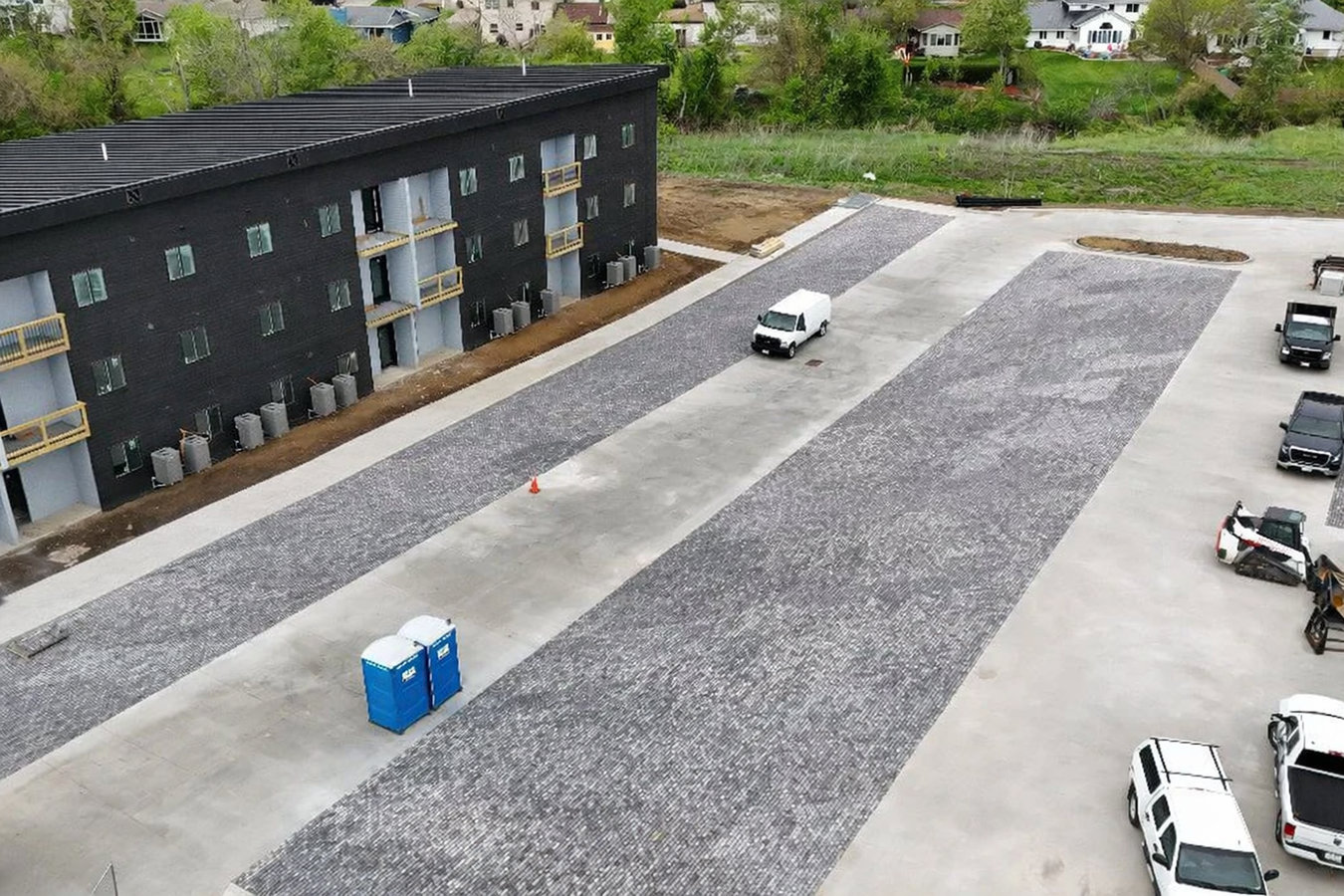
Stop patching a failing surface every spring. A properly built concrete lot handles Springfield winters, drains cleanly, and adds lasting value to your property.
Concrete parking lot building in Springfield, MA covers removing whatever surface exists now, excavating the ground, compacting a crushed gravel base, and pouring a 4 to 6 inch concrete slab with control joints and proper drainage grades - most small to mid-size residential and commercial lots take three to seven days from start to finish, with vehicles staying off the surface for at least a week after the pour.
The preparation work underneath the concrete is what determines whether your lot holds up through Springfield winters or starts cracking within a few seasons. Springfield averages more than 100 freeze-thaw cycles per year, and the Connecticut River Valley's clay-heavy soils drain poorly compared to sandier ground. Both factors put real demands on the base layer. A contractor who skips or shortchanges the base gives you a surface that looks finished on day one and fails on schedule.
Homeowners building a new lot often coordinate the work with a concrete driveway project at the same time, which allows the crew to handle excavation, grading, and permitting as a single scope of work rather than two separate site visits.
If you patch cracks in the fall and they reappear after the snow melts, the problem is not the surface but what is happening underneath it. Springfield's repeated freeze-thaw cycles push water into cracks, freeze it, and expand it into larger ones. Patching the surface without fixing the base only buys time.
Water pooling on a parking surface means the lot was never graded correctly, or the surface has settled unevenly over time. In Springfield's wet springs and heavy summer storms, standing water accelerates surface damage and creates a slip hazard. If puddles are still there hours after rain stops, the issue runs deeper than the surface.
Edge deterioration is one of the first visible signs a parking surface is failing. It usually means the base material has washed out or shifted, leaving the edge of the slab unsupported. Once the edges go, the rest of the surface follows, often faster than homeowners expect.
Many older Springfield properties still have unpaved or gravel parking areas that turn to mud during the spring thaw. If you spend part of every spring dealing with ruts and mud tracked into your home or business, a concrete surface eliminates that problem permanently and adds real value to the property.
We handle the full scope: site evaluation, permit filing, excavation and old-surface removal, base preparation, forming, the pour, and the city inspection walkthrough. For properties replacing a failed asphalt or gravel lot, we include full demolition and material hauling before the base work begins. Lot size and site conditions determine how the base is engineered, how thick the slab needs to be, and where control joints are placed.
We also work on commercial and multi-family lots that see heavier vehicle loads than a typical residential driveway. Lots serving delivery trucks, large SUVs, or frequent traffic are built with a thicker slab and a deeper base than the residential minimum. If you are unsure what your site needs, that conversation happens during the site visit, not on a change order after the pour.
For homeowners who want to tie parking and access together, concrete footings for a new garage or carport can be part of the same project timeline. Coordinating both under one permit saves time and avoids scheduling two separate crews.
Full excavation, base, and pour for a previously unpaved or gravel parking area.
Demolition and removal of an existing deteriorated asphalt or concrete surface before the new pour.
Adding square footage to an existing concrete or asphalt parking area with matched grades and drainage.
Larger lots serving businesses, rental properties, or mixed-use buildings with heavier vehicle loads.
Springfield's winters are the primary design challenge for any parking surface here. The ground freezes and thaws repeatedly from late November through March, and each cycle puts stress on whatever is sitting on top of and beneath the slab. Concrete holds up to this better than asphalt over the long term, but only if the base is built deep enough and drains properly so water does not pool under the slab and freeze. Contractors who work primarily in warmer regions often underestimate how much the base preparation matters in this climate.
Much of Springfield's residential and commercial stock dates from the early to mid-20th century, which means many properties are replacing outdated surfaces that were built on inadequate bases. The excavation required to clear old asphalt, gravel, or compacted fill before starting fresh adds time and cost that a phone estimate will not capture. Knowing this going in means you can ask the right questions when comparing bids.
We serve properties throughout the Springfield area, including Chicopee, Agawam, and Westfield. The same freeze-thaw conditions that affect Springfield properties apply across the Pioneer Valley, and our base preparation approach reflects that across all the communities we serve.
We respond within 1 business day. The visit covers measurements, drainage, how the lot will be used, and what the existing surface requires. You get a written, itemized quote with no ballpark guessing.
Once you accept the estimate and sign a contract, we apply for the required building permit through the City of Springfield Building Department. We manage the process and update you on timing.
The crew removes existing surface material, excavates to the right depth, and compacts a crushed gravel base. This phase involves heavy equipment and typically takes one to two days depending on lot size.
Concrete is poured, spread evenly, finished, and control joints are cut in. The city inspector signs off once curing is complete. We walk you through the finished lot and explain care instructions before closing the project.
No obligation. We respond within 1 business day and give you a written, itemized price before any work begins.
(413) 334-1135We apply for all required City of Springfield building permits before equipment arrives on site. The permit means a city inspector independently verifies the work meets local standards, which protects your investment and your property's resale record.
Springfield averages more than 100 freeze-thaw cycles per year. We excavate and compact a gravel base sized for those conditions, not the minimum allowable standard. That base is the difference between a lot that lasts 30 years and one that needs patching within five winters.
Precision Springfield Concrete Company holds Massachusetts contractor registration and carries full liability and workers' compensation coverage. You can verify our credentials through the MA Office of Consumer Affairs and Business Regulation before we show up.
Your written estimate covers excavation, base work, concrete, forming, and permit fees itemized separately. The invoice matches what we quoted. If unexpected site conditions change the scope, you hear about it before we proceed.
The American Concrete Pavement Association documents how base preparation and drainage design directly determine parking lot lifespan in freeze-thaw climates, and those standards shape how we approach every lot we build. Springfield homeowners and property managers who have worked with us know the estimate is what they pay, the permit is pulled before anyone digs, and the finished surface is built to last, not just to look right at the end of the pour day.
Below-grade footings for garages, carports, and additions that pair with new parking lot projects.
Learn moreResidential driveway slabs built with the same base preparation and drainage grading as our commercial lot work.
Learn moreSpring books fast in Springfield, and concrete contractors fill their calendars quickly once the ground thaws. Contact us now to lock in your project date before the season fills.