
Loading...
Serving Springfield, MA and surrounding areas. (413) 334-1135
Serving Springfield, MA and surrounding areas. (413) 334-1135
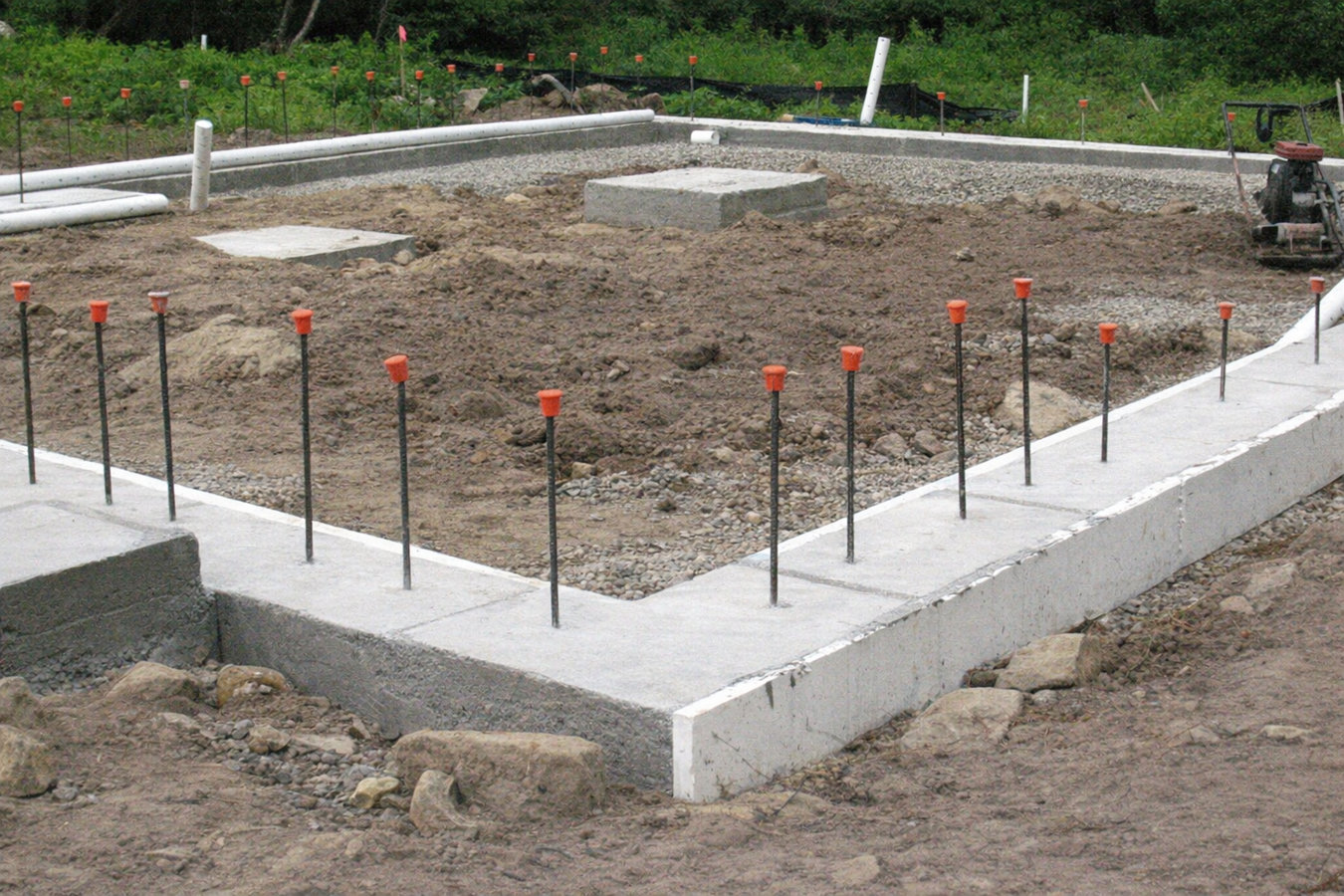
Your deck, addition, or garage is only as solid as the footings underneath it. We dig to the required depth, pull the permit, and make sure the structure you are building has a foundation that does not move.
Concrete footings in Springfield, MA are the underground base that supports a structure above ground, poured into excavated holes or trenches dug to at least 48 inches below grade - most residential footing jobs for a deck or addition take one to two days on site, with the concrete ready to build on after five to seven days of curing.
The 48-inch depth is not a suggestion. Massachusetts building code requires footings to reach below the frost line because Springfield winters freeze the ground deeply, and soil that freezes and thaws moves. A footing set too shallow will heave up in winter and settle back down in spring, cracking the structure above it over several seasons. Springfield's clay-heavy Pioneer Valley soils also hold moisture longer than sandy ground, which adds pressure on footings during repeated wet-and-freeze cycles.
Homeowners adding a deck or porch often discover that proper footings are the most important investment in the whole project. Pairing footing work with foundation installation for a larger structure allows both phases to be permitted and inspected together, which saves time on the project schedule.
A deck surface that is no longer level, or a visible gap between the deck and your home's exterior, usually means the footings underneath have shifted or settled. In Springfield, this often happens after repeated hard winters working on shallow or undersized footings. The problem worsens each season if it is not addressed.
Cracks running diagonally from the corners of windows or door frames, or cracks in a concrete floor that appear to be widening over time, can signal that a footing below is moving. Springfield's clay-heavy soils expand and contract with moisture, putting uneven pressure on footings not designed with that movement in mind.
Standing water collecting against the base of a garage, porch, or addition after a heavy rain is working its way toward the footings. Over time, water infiltration erodes the soil supporting the footing and can cause cracking as it freezes in winter. Addressing drainage and having footings inspected at the same time is the smarter approach.
Any structure attached to your home or built to a size that requires a permit in Massachusetts needs proper footings before framing begins. If you are getting ready to start a project, footings are the first concrete step. Getting a site assessment early prevents design changes later when surprises are found underground.
We install footings for decks, porches, additions, detached garages, and outbuildings that require permit-compliant structural support. Every job starts with a site visit to assess soil conditions, confirm equipment access, and identify any underground utilities or fill soil that could affect the dig. That information goes into your written estimate before we commit to a start date, not after we are already on site.
Rebar reinforcement is included in our standard footing work. Steel reinforcing bars placed inside the forms before the pour give the footing tensile strength to resist cracking under the stress of the structure above and the movement of the soil around it. Springfield's clay soils expand and contract with moisture seasonally, and footings built without rebar are more likely to crack under that repeated stress over time.
For larger projects that combine footings with above-grade concrete work, we also handle foundation installation as part of the same scope. Pulling a single permit for the combined work reduces the number of inspection visits and keeps your project moving on one coordinated timeline.
Isolated pier footings for free-standing or attached decks, porches, and pergolas requiring code-compliant depth.
Continuous or spread footings for new room additions, detached garages, and attached garage expansions.
Replacement of failed or undersized existing footings beneath settling decks, porches, or small structures.
Footings for larger sheds and outbuildings that exceed the size threshold for permit-required structural support.
Springfield sits in a climate zone where the ground can freeze to approximately 48 inches in a hard winter. Every footing must reach below that depth, and the Massachusetts building code requires it. This is more digging, more concrete, and more labor than what would be standard in warmer parts of the country. When comparing estimates, make sure depth is clearly stated in each bid so you are comparing equal work, not just comparing prices.
A large share of Springfield's housing was built in the early to mid-1900s, and many properties have been added to over the decades. That history means contractors frequently encounter old fill soil, buried debris, or utility lines when digging in Springfield's older neighborhoods. These discoveries can affect timeline and cost, and a contractor who has worked extensively in Springfield is not surprised by them. Properties in Forest Park, the South End, and the North End are especially likely to have history underground.
We work on footing projects throughout Springfield and the surrounding Pioneer Valley, including Ludlow, Easthampton, and Northampton. The frost line and soil conditions are consistent across this region, and our approach to base preparation reflects that shared reality.
We respond within 1 business day. During the visit we assess the location, check soil conditions, confirm access for equipment, and get the details on what you are building. You receive a written estimate that specifies depth, number of footings, and total price so you can compare bids clearly.
Before any digging begins, we apply for the required building permit through Springfield's Inspectional Services Division. We handle the paperwork and coordinate with the city. You should confirm the permit has been submitted before work starts - we update you on timing.
The crew calls Dig Safe to flag underground lines before the first shovel goes in. Holes are dug to at least 48 inches, rebar is placed inside the forms, and the concrete is poured. Digging and forming typically takes one day for a standard residential project.
A city inspector reviews the work at key stages. The concrete then cures for at least five to seven days before framing loads go on top. We give you a clear timeline for when the footings are ready and what to watch for before the next phase of your project begins.
No obligation. We respond within 1 business day and specify depth, number of footings, and total price in writing before any digging begins.
(413) 334-1135Every footing we pour reaches at least 48 inches below grade, the depth required by the Massachusetts building code and the Pioneer Valley's actual freeze-thaw conditions. Footings that do not reach this depth will shift with the seasons, causing the structure above to crack, lean, or separate over time.
We apply for all required permits through Springfield's Inspectional Services Division before any digging begins. The permit means an independent city inspector reviews the work at key stages, so you have documented proof the footings meet the required standard, which matters for resale and insurance.
Precision Springfield Concrete Company holds Massachusetts contractor registration and carries full liability and workers' compensation coverage. You can verify our credentials through the MA Office of Consumer Affairs and Business Regulation before we arrive on site.
Your written estimate specifies depth, number of footings, and what happens if unexpected conditions are found. If the crew hits rock or fill soil, you hear about it immediately and we talk through the options before costs change. The final invoice reflects what we agreed to, not what we discovered after the fact.
The Massachusetts State Building Code sets the minimum frost depth and structural requirements that every footing in Springfield must meet, and Springfield's Inspectional Services Division enforces them. Homeowners who have worked with us know the permit is filed before we dig, the estimate reflects what is actually required at this location, and the finished footings are what your structure will stand on for decades.
Lifting and stabilizing settled or damaged foundations on older Springfield properties where the structure has shifted over time.
Learn moreFull foundation pours for new construction and additions that go beyond individual footings to include continuous wall systems.
Learn moreSpringfield concrete contractors fill their spring schedules fast once the ground thaws in April. Call or contact us now to get on the calendar and receive your itemized written quote.